Emergency Preparedness April 2020 Revision

I admit it. Sometimes I feel silly about maintaining an emergency preparedness kit. It is prudent to have a kit considering Whidbey Island’s potential for disasters like earthquakes, tsunamis, and wild weather. Decades of keeping a kit that is never needed is where the silly feeling comes in. And then we get whammed by something completely different. It took me a month to realize coronavirus was an opportunity to update the kit. And then the coincidence hit. It looks like the County agrees it is time to consider updating emergency plans, coincidentally.

We are spoiled. Despite griping about power outages and storms, none of the service interruptions in the last couple of decades have lasted long enough for me to need my kit. Whew. Let’s hope that’s the case for many more decades. Earthquakes are like that, unpredictable. The Salish Sea doesn’t get as many as other places along the Pacific Rim of Fire (a great, dramatic title), but it does get the bigger ones, like the ones that hit Indonesia, Chile, and Japan. (I like Nick Zentner’s primer on Puget Sound quakes.)

Getting ready for a quake and then getting hit by a pandemic is like preparing an ice cream social and finding that the guests are lactose intolerant and watching their sugar intake. (I do miss ice cream. Pardon me as I reminisce. Mmm.) Congratulations for preparation, but zero points for implementation.

And then I needed a mask. (Actually, I need lots of masks, but that story won’t be told until after they arrive.) Ah ha! I have several kits. There’s the big one for the house. Another is in the truck, in case I have to sit and stay, or walk to some safer place. The one at the office isn’t as extensive, but it helps complete the picture. Don’t be surprised. I’m an engineer who had to deal with failure modes. Backups, backups, backups. Ta da! A mask! The truck had a supply in case of ash clouds, dust storms, or maybe just a bad pollen day.

20200417_161843

OK. But, a month has gone by and I realized that: 1) the kits are handy, and 2) I hadn’t thoroughly sorted through the house kit in years. Grab the hand truck. Wheel the kit/trash cans into the carport. Pull everything out, being careful to look for leaks.

Spiders? They get everywhere! What did they find to eat? Not much. Whew. One bar of soap was oozing out of its package. So much for the fancy soaps. It was on sale, but I think I’ll find something more shelf stable. The dried foods are all OK, or at least don’t look or smell bad. The Use-By dates on the food and medicines are hilariously out of date. Is Advil still good after a decade? Unfortunately, this is not the time nor the financial situation for replacing the old with new.

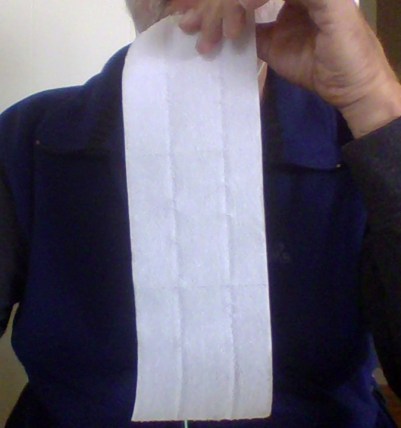
Really, the kit wasn’t that bad. With the recent shopping shortages, I chuckled when I realized there wasn’t any toilet paper in the kit. Changed that. I also added some extra clothes and another pair of shoes (retired running shoes.) I thought there was a saw in there. Something to add. Something to replace: the 80 proof vodka with 100 proof vodka. More sanitary the better! Inside and out. Besides, the bottle is plastic and sweating. Can the alcohol or the water leach out through plastic? Interesting.

The kit was designed assuming utilities aren’t available: power, water, septic. All of those are available during this crisis. Imagine going through Stay Home without the Internet. That’s harder to pack. Limits must be defined. Except for replacing the food and drugs, and either charging or replacing the emergency light/radio, the kits are good enough for now.

And then; “Island County Department of Emergency Management is in the process of updating its Hazard Mitigation Plan.” The notice popped up on Facebook. Even just describing their plan takes them 216 pages. Not a surprise. Whidbey is a large and varied island. They have plans for drought (we do get them), floods (mostly but not entirely a shoreline issue), storms (they’re common enough), and earthquakes (which few knew was an issue fifty years ago.) Hmm. I couldn’t find the tsunami info.

Considering what we’re going through with a pandemic makes it easier, and scarier, to imagine what life would be like after a major earthquake. We would still have to worry about contagious diseases, through probably not to the extent of Covid-19. But we might be under mobility restrictions that are more severe and non-negotiable. Trees down, and tangled with power lines. Bridges and ferry operations interrupted. Forget about shopping while wearing masks and gloves. The stores may not be open even if getting to them wasn’t a problem.

It is hard to stop after getting started making a kit. Recently I added a tent. Glad for that. Looking forward to buying a solar oven for occasional use, and as an emergency backup. Same thing with a solar charger for electronics. But what to do with the film camera that was supposedly only good until 2010? It is meant for documenting damage for insurance, but I don’t know the film can be developed. Keep it for nostalgia? Are there such things as disposable digital cameras with removable batteries? I might have to go onto eBay for an old point and shoot that works from AAs. Maybe before the next time I need the kit…

(Writer’s note: One of the dangers of writing about food is that I now want ice cream, which I can’t eat. That’s going to mess with my dinner. How much popcorn will satisfy that urge? Butter, more butter.)


Posted in Uncategorized | Tagged , , , , , , , , | Leave a comment

Gig Economy Training For StayHome

I confess. Others are having a tough time adjusting; but working from home has not been a big problem for me. #StayHome feels remarkably like a typical day in the Gig Economy prior to becoming a real estate broker. Rather than a major interruption, for millions of people this is normal: working from home with uncertain income, no benefits – and no dress code, no boss on site, and no barriers between work and wine. Pardon me as I switch from sipping from a mug to sipping from stemware. It’s after 6PM. Time to take on one more task or two.

It seems like a decade ago, but less than two years ago I was still working nine gigs a day. That may sound profitable, but in the Gig Economy work does not equal pay, and sometimes pay seems to have nothing to do with work. The problem is, it’s hard to know which gigs are worth dropping. As long as there’s time, there’s a chance some more work might pay some more bills.

Now, my work life is different. My main gig is as a real estate broker (with Coldwell Banker 360 Team on Whidbey Island.) The tasks are remarkably the same: contacting prospective clients, learning what they want to get done, then helping them do it. The stereotype is for the broker to spend the days driving around looking at and showing properties; but that world is vanishing. Helping sellers get ready to sell hasn’t changed as much; but buyers are frequently self-directed. I send them listings, but they’re also likely to research properties from access I can provide, or they dive into real estate sites like zillow, redfin, estately, trulia, etc. The result? A lot of time working via the computer that can sit in my lap or on my desk. Much less driving around. Much less need to go to the office.

The coronavirus has upset more than work schedules. I’m not as affected by school closures, restricted retail operations, and the need to tend family members. I feel sorry for people whose careers are on hold or have to be maintained while also handing a younger generation, an older generation – and then somehow find supplies. Eight people in one house? That could be several jobs, several school grades, and little hope of quiet.

Amidst the various offers of help with masks, toilet paper, and errands, I realized there are experts out there that may not realize the help they can provide. Folks who’ve lived in the Gig Economy for several years have developed skills that are particularly useful now.

When does a home office make sense, and when does it make more sense to not get that picky? I purposely use several sites around the house – and my house is under 900 square feet. I have three main stations: dining table, comfy living room chair, office chair at an office desk. Work doesn’t seem as confining or monotonous when there are different views and ergonomics to work with.

There are a lot more dishes to wash, but that’s because there’s more cooking going on. I like that. It is a good time for slow roasts, stews, soups, and things like slow-cooked ribs. The aromas can’t be replicated in an office. They’re too distracting. Meals become much cheaper and healthier when they’re made at home; that is if they’re made well-enough. But, hey! That’s what all of those cookbooks are for. (If you wrote a cookbook, you’re welcome to mention it in the Comments. Hint.)

Stay Home does not mean never go out. Stay Home does not mean stop exercising. Working from home makes it easier to work out. The gym may be closed, but exercising at home avoids the locker room scene and worrying about what you’re wearing and how you look. You decide on the hours. There’s no charge for the opportunity to sweat. And you can space out the exercises throughout the day. For me, pushups after the first task is done. Chinup(s) after the second. Early or late I’ll get in a walk (distancing, of course), or a mid-afternoon bicycle ride if the weather is right. Making a cup of coffee or tea? You’ve already stood up to get into the kitchen. Do some stretches. Going back to work sweaty may be frowned upon in the office, but not at home as much.

The true masters of the Gig Economy, and the folks for whom Stay Home is nothing new, are those gig workers who were already home schooling, tending parents, juggling their gigs and their spouse’s gigs. These are the pros, the experts, the people who can commiserate with you about how tough it is, while also supplying answers that make most sense to you. 

The Gig Economy isn’t a panacea. The corona crisis has seen coworks close, too many businesses retreat, and millions be perplexed by worrying about something that has no symptoms until it has too many.

But.

There’s a different way to live. You probably know someone who has been living it for years. They may be willing to help.

We won’t go back to normal – as if there ever was a normal. Remote working is being tested on a grand scale. It will work for more than before, and obviously won’t work for many others. Parents will find either a new appreciation for teachers and schools, or confidence that they can home school. Xenophobia will be redefined as people from one region fear people from another one; or simply are startled by anyone who coughs or sneezes. Masks and gloves are probably coming back in style. Forget the utilitarian ones. Fashion is already jumping at the chance to play with something fresh (or very very retro, as in medieval retro.) Essential services aren’t abstract now. We know which ones mattered to each of us. Hopefully society shifts to reflect our appreciation and to improve their compensation.

Because some regions have delayed their response, and science denial continues to be proudly popular, we’ll be dealing with this or other global crises for a long time. Reinfections will happen. For those who can, this is the opportunity to stay home, work from home, rethink old lifestyles, and think of new lifestyles.

One hint: remember to talk to someone once a day, and get out of the house about once a week. It is too easy to forget how to talk to people and too easy to forget things like manners. Eventually, we’ll start socializing again. There’s going to be a lot of pent-up demand for dances and parties. You deserve it. We deserve it.

Posted in Uncategorized | Tagged , , | Leave a comment

Dining By Due Date

Hmm. Best by May 21, 2017. That may be a bit past its prime. But then, it is an extruded potato product heavily salted. Maybe it is fine. So goes my visit to my pantry. This coronavirus crisis seems like a good opportunity to review my stored food, and make menu selections accordingly. What can I make from Annie’s Mac and Cheese, shredded coconut, and a can of Pringles that’s three years past its “Best By” date?

20200402_162141

Being a frugal folk, I try to keep my pantry full, but not too full. Living alone means it is easy to buy more than one person can eat before it all goes bad. I haven’t been to the store in about 12 days. My real estate office was (though no longer is – stay tuned for that story) beside a community grocer, The Goose. To most shoppers it looks like a medium size super-market. To locals, it’s one of the largest on the south half of the island (Whidbey). To me, I’ve appreciated that it is influenced by the local non-profit (Goosefoot) that figures carrying for people is the best way to care for the community. Or is it the other way around? Or is it circular? No matter. My almost daily habit for over two years was to visit at lunch, scope out the sales, and fill my pantry by buying on the way home from work. That certainly has come in handy.

1399670502

Partly because of my blog that is about ‘news that is based on data and logic, significant, and apolitical’ (a tough criterion for the last few years), I’ve been aware of the virus since December. I waited for statistically significant data. In 2019, the data wasn’t as common as the anecdotes. In January, the first US case was discovered a short drive east of my home. By February there were over 37,000 cases. I began taking it personally seriously.

I also didn’t freak or panic, despite the name of the blog (PretendingNotToPanic.com). I did, however, review the gaps in my pantry. There weren’t many, but I filled in many of the niches whether there was a sale or not. As I mentioned in Personal Pandemic Prep, basically if I bought too much and the crisis was lifted, I could donate the rest.

So much for the crisis being lifted. The world now has over 1,000,000 cases of the virus, and billions haven’t been tested.

Hello, pantry.

Tonight’s dinner doesn’t touch any of the past-best-by dates. This is an opportunity to thaw a meal that was intended to be an office lunch. Add some rice (sorry, Doc), maybe some cheese (despite the fact that I hope to never buy that brand of cheese again), and chili for dinner.

But, how out-of-date are things? Fortunately, I checked earlier and at least put the oldest things up front. In the next few days I’ll use one of the Annie’s Mac and Cheese mixes (though they give it a fancier name). The shredded coconut will either become an addition to oatmeal, or cookies, or – nope, almost out of yogurt. Not bad, considering. Certainly not a hardship. Oh shucks. I have to make cookies. Oh darn.

dsc_3189

To quell the idea that I have some massive storage facility, I have a small house (~860 square feet) with a small kitchen – and still have nearly-empty drawers and cabinets.

The photos may not look packed, and they’re not. Between their contents and what’s in my fridge and freezer, there is at least a month of meals. Maybe two if necessity drives me to adding tomato sauce to various types of beans and noodles. And then there’s the rice. And then there’s the truly emergency food that may last forever, but would only taste good at the edge of apocalypse.

Canned goods and such in one place. Another holds staples like flour, mixes, sugar (leftovers from a different diet), and beans, lots of beans. One last cupboard has pasta, rice noodles, lots of popcorn, herbs and spices – and of course tea. (See #TomTea on Twitter for pieces of that story.)

At this point, preppers are scoffing and laughing. “Only a month’s supplies! Ha! How about a decade’s?” An impressive accomplishment, and a time when they can feel justified for stocking up.

The world is weird enough. As I mentioned earlier (Personal Pandemic Prep), dedicating an emergency preparedness kit for only one thing is better than nothing. It is more than most folks accomplish. Having a full pantry without a kit is also better than nothing, as long as the power and water flow. Having both, that’s a luxury.

And yet, imperfections happen. I don’t expect to cover every possibility. Life’s too short to worry that much. But, covering most of the cases is comforting, especially when there’s already enough to be anxious about. Three items past their “Best By” date? Not a problem. A slight imperfection. Forgetting to stock things that aren’t stored in the pantry, like toilet paper? Well. Let’s give a new definition to three squares a day.

90617013_10221858032059147_2138737651476332544_n

Posted in Uncategorized | Tagged , , , , , | 1 Comment

Home Workers

Gloves are back in style. Well, at least they’re popular. I’m in Washington State where we’re effectively on lockdown as of about 24 hours from when I post this. Lock down. Stay home. Try to get work done. Except for the lockdown part, that’s typical for workers in the Gig Economy. Work from home, because it is cheaper. Only go out when it is necessary with a few rare trips for shopping and possible socializing. Social distancing is built in. For those who live alone and stay home, even the gloves aren’t as necessary. The Gig Economy can be a facade to hide partly-employed people, but those people have been developing adaptation skills that others can learn from.

People with paycheck jobs, kids in school, and parents that need support are finding themselves crowded into a house. If they’re lucky, they ‘get to’ work from home and continue to collect paychecks. Prior to a lockdown they were performing several roles in series (get up, get the kids off to school, get themselves off to work, get home, take care of the kids, take care of the house – and along the way take care of the parents, possibly by paying for their care.) During a lockdown all of those roles happen simultaneously without recess or relief. They’re employees, parents, guardians, teachers, cooks, cleaners, and whatever else needs to be done. Ouch. They may not be doing much binge-watching.

Some members of the Gig Economy have been living that life for a long time. I’m no longer one of them, and when I was, the only person I had to take care of was me. Whew. Granted, I was working seven days a week with most days being 10-12 hour days, so it wasn’t casual, but there was no one else relying on me, either. Good. I barely got by. Those who worked those roles simultaneously successfully may have lessons to teach that they take for granted. Give them a call. Besides, we should all be keeping in touch (not physically) with others anyway.

Despite what’s in the news, I don’t know anyone who is bored. There’s more than enough to do, even if it is simply cleaning every surface in the house, or de-cluttering, or finally finishing that inevitable myriad of projects every homeowner has.

One of these days I’ll get around to replacing that electrical outlet. After thirteen years in this house I finally and accidentally found a major gap in the weatherstripping. That might get fixed, too.

In the meantime, I’m dealing with the disruptions in real estate. (Regulatory required disclosure: I am a real estate broker with Coldwell Banker Koetje on Whidbey Island. See below for changes there.) Typically, spring is the time for listings to arise. More buyers arrive. Office life and showing houses get busy.

Rather than interest fading, many people are suddenly inspired to move to remote areas, like islands. Rural Distancing is real. So many people have temporarily moved to my neighborhood that I curtailed my walk. Normally, a workday in March would be quiet with hardly anyone outside. I only saw one person I know, and he turned back for home too. I didn’t need my gloves and mask, but it felt good to bring them along. I think I’ll replace walks with karate workouts.

The lockdown’s timing feels like a collision of coincidences. Just as interest in real estate escalates, we can’t show houses. It makes sense. So it goes. At the same time, my office is being moved. Fortunately, I emptied it yesterday. Unfortunately, the new place isn’t ready; so I’m making trips out to the stuff stacked in the pack of my pickup. Oh yeah, and they’re changing the name of the company. And there are new procedures and policies. OK. It’s all good. Eep.

We’re about a month from when I was scheduled to give the next in a series of talks at some local libraries about real estate and affordability trends on Whidbey Island. Ironically, the topic was going to be about why we shouldn’t assume everything will stay the same; basically reasons to not extrapolate current trends. The talk has gone from hypothetical to real. The talk may also be going from on-site to online. Stay tuned for that, too.

At the same time, I hope to publish my next photo series within days. (Thanks to Fine Balance Imaging doing some final formatting. Stay tuned.) Something new to add to the libraries’ collections.

In addition to that book, I’m working on three others. I’ll get some extra time to work on them, but this is not a sabbatical. They’ll fit in because I’ll spend less time driving around. I’m not sure how I’ll continue the work on the next photo book. They are based on twelve month studies of specific sites, Twelve Months at Deception Pass, for example. Can I get in at least one day at the next site next month? No one knows.

As if my books aren’t enough, others are taking this time to finish theirs. Congratulations! And some want my help. Happy to help, but let’s not assume that’s the only thing going on. As for the WritingOnWhidbeyIsland.com podcast, well, we’ll find a way to make that happen. Right, Don?

Others are asking for my services, too. Consulting is one of my joys too rarely exercised. I’ll find the time. Fortunately, that’s work that can be done online, too.

I list those, partly as a reminder to myself, but also as an example of the skills necessary to survive the Gig Economy. Others have a different set and suite to offer.

I’m settled back into my IKEA chair, the one I lived in for years, laptop in lap, typing my way through the day. Dancing along the borders of the Gig Economy. I know millions of others who are in a similar but not the same dance. We don’t know how long this will last or how we’ll get through, but I know there are people out there who are practiced at working from home, getting by on what they can make, and adapting as necessary. One benefit for those working at home alone: no need for gloves or masks – until it is time to go for a walk, maybe.

Posted in Uncategorized | Tagged , , , , , , , , | 1 Comment

Virus Interest Rate Oil Elections Change

We’ll get through this. (Reality check. Most of us will get through this; but that’s true of every moment. None of us are immortal, yet.) Opening a bottle of dishwashing detergent reminded me of other threats that we got through, and changed our lives. Predicting the outcome of this crisis is a foolish and unnecessary game. Looking back, however, is helpful. And, ironically, helps us imagine possibilities. 

Working from home means getting to play in the kitchen. Yay! I don’t work from recipes, so each meal can be an experiment. I live alone, so only my taste buds and digestive tract are at risk. (Meatloaf, just so you know.) 

Cooking = cleaning, and cleaning led to dish soap. 

Start filling the sink. Realize I ran out of dish soap. Grab a bottle of it from under the sink. Tilt. Squirt. And nothing. Oh yeah. There’s a little safety cap, a cap inside the cap that supposedly proves that no one tampered with the product. That and child-proof caps permeate consumer products. It wasn’t always that way. Packaging is a relatively new idea. Thank the Industrial Revolution for packaging. Blame several people for abusing a trust by lacing or poisoning various things. Welcome to decades of yet another step in the manufacturing process. Welcome to decades of frustration from folks who can’t get past the safety features. 

Cars. Seat belts. Air bags. From dangerous simplicity to safe complexity. 

A world war inspired the US Interstate highway system.

Go back several centuries. The Black Death (bubonic plague) killed millions at a time when we didn’t have billions of people, undermined centuries of royalty, created a middle class, and either unleashed creativity or set civilization back a few hundred years – at least in Europe. Other areas had their versions of pandemics. Some societies were exterminated. Others were decimated. Others recovered. That was the beginning of learning to wash our hands, but it took centuries until we knew the why and how of basic hygiene. But, we learned. At least the survivors did.

Insert your own existential crisis or historical episode in the Comments. This could be a book, but I’m only trying to catch some ideas in a post.

We thought the collapse of the Soviet Union was a triumph for democracy and a defeat for communism. Stay tuned for that while watching China, and also while watching democracies around the world. We could be in a transition that will discredit the use of labels. North Korea is a democratic republic? The United States and the United Kingdom aren’t acting very united. ‘Socialist’ Sweden is a kingdom. “Communist” China is officially a republic (which is acting very capitalistic.) Russia is a federation. Switzerland is a confederation. Out of more than 190 countries, only about a dozen are labeled democracies. The US (united or not) makes no such claims. Maybe that’s why we’re having an identity crisis. 

I was in a telecon today. Once a week our real estate brokerage where I am a broker (was Tara, is Koetje, will be … something to be announced in a month or so) holds team meetings. Everyone has to get together to coordinate information. Now, a rapid retreat from meeting in person as we meet online instead. But, historically, it probably will be seen as an advance by necessity. Meetings weren’t necessary a hundred years ago. Economic and environmental conditions necessitated several such shifts. Information and services took over when factories failed or moved. Factories took over when farms failed and markets moved. Farms for profit were preceded by farms for subsistence which were preceded by hunting and gathering. Sometimes the moves were opportunities. Sometimes they were necessities. Sometimes they were both.

Someone asked me what I thought was going to happen with the real estate market on Whidbey Island because of the pandemic. They understandably wanted an answer for next week or month. I dodged and concentrated on now. Some people are backing off. Some people are more interested in moving to an island (Rural Distancing). The only thing I know for sure is that things won’t go back to ‘normal’. (Note: Gun sales are up, and I can hear semi-automatic rifle fire from about a mile and a half away.) 

Currently, over 7,000 people have died from coronavirus. Just sticking to deaths by disease (not a pleasant topic, but that’s where we are): Small pox inspired vaccines. So did polio. HIV/AIDS changed the way some people lived and died; eventually leading to treatments, and also highlighting the reality of the diversity of relationships. ‘Gay’ rights (an overly restrictive term) joined civil rights, womens’ rights, and the realization that labels are terrible at sticking to people because people are people, not labels. 

True crises and small events create permanent changes. We have never gone back to the way it was before.

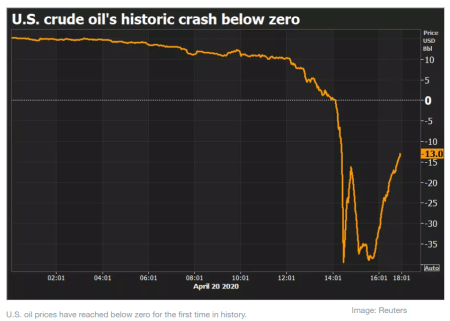
Coronavirus has reached around the globe. (A fine reason for there to be a colony off-planet. Lifeboats, please.) There’s an economic oil war that’s largely hidden. Those two circumstances and a few other long term trends inspired the US Fed to drop its interest rates (which is more likely to affect banks than mortgages.)  At the same time, political uncertainties in the US are mirroring upsets in other countries. Meaningless wars continue as police actions or covert actions or proxy battles. Social injustices are easier to recognize. The environment in which these are happening is an environment that is changing more slowly but more dramatically. Normal? Nothing’s normal.

Any one of those items is enough to caution guessing about the future. I know I’ll speculate more, but later.

Each threat is real. We’ll get through this – as long as we recognize that ‘we’ is a very general term, and that things will never go back to ‘normal’ because normal never existed. 

Rather than trying to outguess every news item or rumor, I’m keeping in mind that by this time next year (2021), some things will look the same, some things will be different, and some things will be part of history. 

In the meantime,

  • Spend less than you make. (ALAYCPYB)
  • Invest the rest. 
  • Wash your hands.
  • Vote.
  • Take care of yourself.
  • Take care of your self.
  • Take care of others.
  • Care.
Posted in Uncategorized | Tagged , , , , | 2 Comments

Popcorn And Wine And A Virus

I imagine this place will be a lot quieter within weeks. That was one of my thoughts as I shopped at the community grocer (The Goose). Almost by current requirement, the aisles were busy, toilet paper was sold out, as was hand-sanitizer (unless I missed it). People were stocking up on non-perishables at the same time they were loading up on comfort food. Beans and rice versus chocolate and cookies. Decide for yourself which of those are necessary. So many people were buying so many things that won’t go bad soon that I wondered how long it will take some of them to use what they bought. My main goals: unpopped popcorn and boxed wine. Somehow that became a bill for over $100. 

It was encouraging to see so many people trying to decide what to do. People with earthquake preparedness kits tend to be well-stocked, but with things that assume the power is out and the water is off. Quarantines don’t happen that way. So, an excuse to fill the fridge and freezer with butter, cheese, meat, frozen veggies, frozen pizzas, and maybe something to experiment with in the kitchen. (Ah, must remind myself to buy a box of stock. Typically I make it from scratch, but if I can’t get to the store then I miss a key ingredient in my soups, chilis, and stews.) As easy as it is to make fun of people buying weird things (who really needs that much toilet paper?) I’d rather see a store filled with people over-reacting than finding it empty because they are under-reacting. 

Previous posts include lists of things I put into my kit.DSC_5840 I usually have a large supply of beans and rice (despite doctor’s orders), cans of tomato sauce, and of course, a casual wine collection. I didn’t need much, but peer pressure and the fear of missing something pulled me into the store. This time the staples include ground beef, frozen fish, bulk oatmeal, basically flexible ingredients that can become part of many things. I also bought the wine and popcorn, as well as tonic water, smoked salmon, and tea, of course. Staples and comfort food, just like everyone else. 

As a real estate broker, I’m watching for people who want to move from dense urban areas to rural areas that have social distancing built in. One of the relaxing aspects of living in a house surrounded by vacant lots is that bacteria and viruses have a lot more than six feet to travel before finding another human. Folks on acreage may not even be able to see another person. No touchies? No problem. It’s not like we all have to share the same elevator or hallway. Will a pandemic reverse the trend to urbanization? Here’s one instance where density is the problem, not the solution.

I’m not going to predict how this coronavirus pandemic will proceed and conclude. I’ve studied history. Predictions fail too easily. Prior to immunizations, contagions like bubonic plague and smallpox killed major portions of the world’s population. This doesn’t look as bad as that, but we are also very aware of our ignorance. Fortunately, some countries and companies are working on treatments, cures, and eventual vaccines. I am, however, wondering how our response will shape our future. 

We continue to recover from our response to 9/11. Homeland Security, TSA, ICE, and the surveillance state have affected basic freedom and privacy. Even our tendency to video each other and share the imagery changes how people express themselves and what they reveal in conversations. It is too easy to have reactions taken out of context and repurposed without permission. Now, we’re being taught to follow basic hygiene that we should follow in healthy times too; and we’re being taught to avoid each other, don’t touch, and stay home. Add that avoidance to the paranoia from ‘stranger danger’ and see a world change from the sort of place where people literally lend a hand to people they don’t know, to seeing almost anyone as a threat of some sort. As if they were to cough, and we’re already ready to run.


“Wondering if there’s some virus that was going to hit us harder, but it can’t because we’re all so busy washing our hands and sanitizing everything.”

We’re depleting the stores of basics and panic purchases. We’re washing our hands and avoiding contact. Group events have been cancelled. Considering some countries and their successes, we’re not doing enough, but we are doing something. While everyone is concentrating on a novel coronavirus, those same precautions may be saving us from something new or something old. I’m sure some PhD student will eventually quantify whether there was a reduction in colds and the flu. We may be fighting one battle poorly, but we may be succeeding against others without realizing it.

The Great Recession taught frugality by choice or necessity. Maybe this novel coronavirus is teaching us basic hygiene by choice and necessity. 

I hope it doesn’t also teach people to withdraw from community, to not trust each other, and to see each other as a threat. As my favorite physician (OK, naturopath, but that isn’t alliterative) emailed;

“Remember, joy is an antimicrobial.”

That advice is inserted within a comprehensive list of proper procedures, but it is the piece that impressed me the most. These are serious times, but making every moment too serious makes living too difficult, too stressful. “Do your best”; which is different from “be perfect”. Find joy. It’s always there, but we can cover it with worries. Peel back worries, respect them as you must; but respect the joy just as much.


91-gmktmyrl.sr160240_bg243243243(PS For my experience finding joy despite circumstances, read my book: Walking Thinking Drinking Across Scotland. While this may be a plug, that book was inspired by a moment during my walk across the country when I realized how close joy is, and how easily I can hide it from myself. Sounds trite to some, but it changed my life.)

Posted in Uncategorized | Tagged , , , , , , , , , | 1 Comment

Simple Sayings

Some days are just like that. Sounds vague? Sure. But, the feeling persists. Tough times and bad fortunes can happen to anyone. Accidents happen. We can’t control everything. Good efforts may plant seeds that take decades to sprout. In the meantime, it is necessary to cope. 

A mix of good, bad, odd, and just stuff filled me to overflowing. Overwhelm can happen even while sitting still in this weird world. I’ve lived along that edge long enough to respect what my body whispered to me, then told me, then bopped me on the head with. I’m taking a couple of days to recuperate. I won’t call them a vacation, because, as many of my friends in the new economy know, vacations are becoming rarer. But by necessity, I’ve taken today off and will (almost) take tomorrow off. (I know me. I’ll at least check emails and such.) 

As I sat and sipped multiple cups of tea today, eventually a few old phrases refreshed themselves in my memory. Thank one of the coronavirus memes for the inspiration. It is the one about people stocking their pantry and practicing self-reliance. To some, it seems radical and innovative. As the meme said, being prepared is something that  was considered normal a century ago. I’m not old enough to remember the Depression (even my parents were kids then), but I do strive for preparedness. Here are a few other old phrases that are valid regardless of modern politics and pending disasters (keeping in mind that modern politics may be more than a pending disaster.)

Pardon any lack of attribution, but I’m partly doing this to cheer myself on in difficult times.

  • Wash your hands.
  • Don’t cough or sneeze on others.
  • Spend less than you make and invest the rest – if you can. (As Long As You Can Pay Your Bills – #ALAYCPYB)
  • Know your self, your values, and ignore the ads.
  • Caveat emptor. (Let the buyer beware.)
  • There are no guarantees.
  • Treat people the way you want to be treated.
  • Treat people as if they are people, not labels.
  • Vote – or shut up.
  • Run for office, if you think you can do better.
  • Share. Shared pain is diminished. Shared joy is amplified.
  • Remember that no one should be above the law, and if they think they are, remember that their illusion may be temporary.
  • It is better to light one candle than curse the darkness.
  • One person can’t save the world, but we can each help at least one other.
  • Commit random acts of kindness and senseless acts of beauty.
  • Say thank you and please.
  • Praise in public. Criticize in private.
  • Everyone can change.
  • Nothing is everything.
  • The only constant is change.

It isn’t a comprehensive list. It hasn’t been researched. That would be too academic. For me, coping benefits from comfortably familiar concepts proven regardless of technology. Some of these concepts were valid in the Dark Ages, and some of them are based on lessons learned then. One simple measure of their effectiveness: I feel better now. And, that can be enough.

Posted in Uncategorized | Leave a comment

Waiting And Tea

Step one (and two): fill the kettle and turn it on. Listen to it burble while beginning to type. There’s a lot waiting in this weird world. Even deciding to sit and sip a cup of tea takes time. Maybe that’s the best way to wonder and ponder about the rest of 2020.

20200302_150850

The world waits for news about the coronavirus. Are there just a few scattered cases, or will clear out every big box store while preparing for a quarantine that may not happen? We wait, and buy.

Climate change is accelerating, but climactic change takes decades, or has already become apparent in some regions. For the folks for whom it is affecting, they wait for institutional responses to cover what individuals can’t. (Pardon me, time to pour hot water over dead leaves. Set timer for 4:44 because I’m too lazy to take the time to hit the 0s for 4:00.) For the rest of us, climate change is something that will probably change lifestyles, too; but the urgency is lacking because it looks like we can delay (even though it may already be too late.) Some are already moving, self-appointed climate refugees. Many more wait for more news.

Politics has become an every moment issue swinging on tweets and memes; but for people in the US who aren’t running campaigns or involved in the major parties, there’s little to do except wait until November. (Beep, beep, goes the alarm. Sipping will commence after heat transfer transfers some of that heat to the local climate. I’ll wait so I don’t scald my mouth.) Only 245 days until the US Presidential election. That’s 245 days of waiting to vote. Add a few to find out who won, assuming the election isn’t a chaotic mess. Only 323 days until the US Presidential inauguration. That’s 324 days of waiting to see if the US will have a lawful and peaceful transfer of power. A lot of life decisions are waiting on that outcome.

(Oops. Mutiny Bay Blend, the tea, is still too hot. Must wait longer.)

Economies are hard to judge and measure. It takes months to aggregate data, which is why recessions are announced months after they’ve begun. For a couple of years, as this recovery extends and possibly over-extends, there has been talk of an inevitable recession. Recessions, really almost any economic trend, can be a self-fulfilling prophecy because humans are human and don’t always only react to objective data and analyses.

The financial markets don’t wait. They trade on nano-second intervals. As rumors run around the world, the markets are playing bumper cars with each other as traders try to outguess the randonmess of today’s chaos. Not a stabilizing force. Traders value volatility, even when nothing is volatile.

Because of the markets and the economy and who is going to rule the world (or at least one major chunk of it) it is understandable if people wait, redirect, and actively manage their plans.

If you are old enough, think back to the months before the Great Recession (the Second Great Depression). What did you do then? Now that you’ve seen the recession and the recovery, what advice would your today-self give your then-self? Regardless of what I would do, ask yourself what you did, what you could’ve done, and maybe get an idea of what to do now.

Knowing what I know now, I should’ve hung onto FFIV, then bought a house for cash. Knowing what I knew then, I knew I had to move out of that rental as quickly as possible for health reasons that are too scary to describe. Financial health traded for medical health.

The tradeoffs aren’t as easy as one-answer-fits-all. No one knows you better than you know your self.

Finally, the tea is at just the right temperature.

Waiting is one way to gather all of the data, read the analyses – and watch the world go by until it is too late to act. Rather like letting tea get too cold.

Acting impulsively is one way to gamble on trends, taking on risk in the hope of an eventual reward that others will be too late to acquire. That can be like drinking the tea before it cools. You can burn yourself that way.

Feathered PebblesToday I’m waiting on news from at least three sets of clients, feedback about a writing assignment or two, and postponing some work items (like publishing my latest photo essay book, Twelve Months at Possession Beach) until I get paid. Waiting can be the only response, sometimes.

Waiting isn’t easy. It is one of those human qualities that are virtues and values and hard to exercise. Patience takes practice.

Acting isn’t easy. Making decisions, committing to them, then acting on a plan can be intimidating enough that it becomes easier to talk and plan – and notice that something changed in the meantime so talk and plan – and repeat – and never act.

There are billions of people. There are billions of balancing points between waiting and acting. The benefit we have is the ability to access memories and histories. Events spiral and echo. This time isn’t like the last time, ever. I look back at my responses to hopefully guide me to wiser decisions about personal choices. I can read and study history about how climate and politics disrupted governments and individual citizens. Frequently governments have fallen. No government has been immortal. The species survives, however, and I see lessons in how individuals adapted.

People say “I can’t wait.”, which is ironic because that’s usually said about things where waiting is required. I don’t know how the virus, the climate, politics, and the economy are going to change. But I can move when it is to my advantage, position myself for the most likely scenarios, and wait for the rest.

About an hour after I started typing, my tea is cold enough to turn into iced tea if I had some ice cubes. That’s OK. If I tried to optimize the time for my tea consumption there’d probably be one moment when I should drain the cup. Life doesn’t work that way. Act, wait, act, wait. Boil, steep, wait, sip, wait, wait, enjoy, wait, finish.

Finish my cup, post this article (and share using the hashtag #TomTea), then see what’s happened in the meantime. I see Notifications blinking at me. They can wait just a little while longer.

Posted in Uncategorized | Tagged , , , , , , , , , , , , , , | Leave a comment

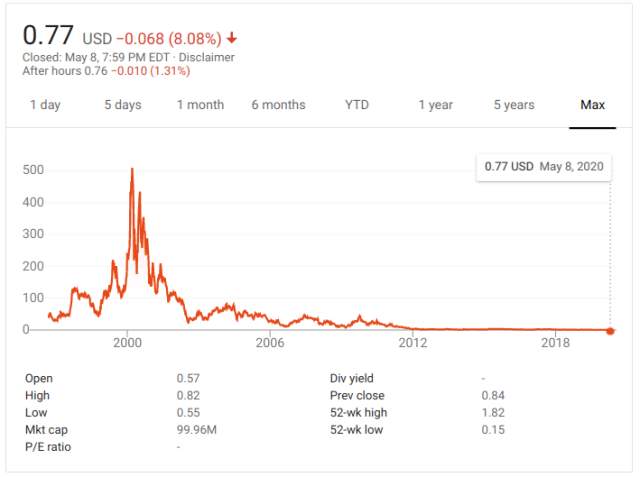
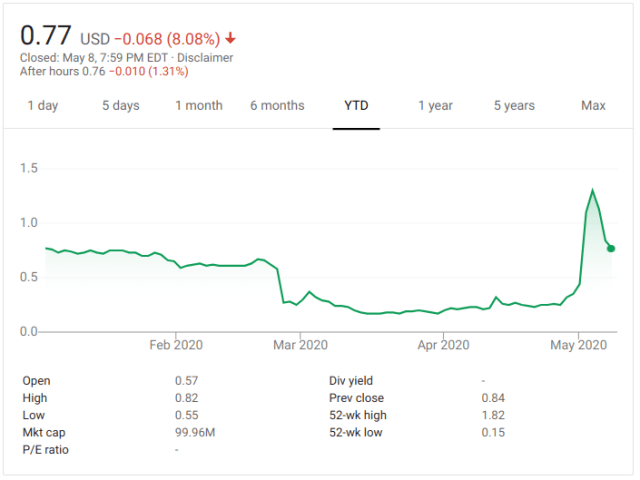
Coronavirus Implodes MicroVision

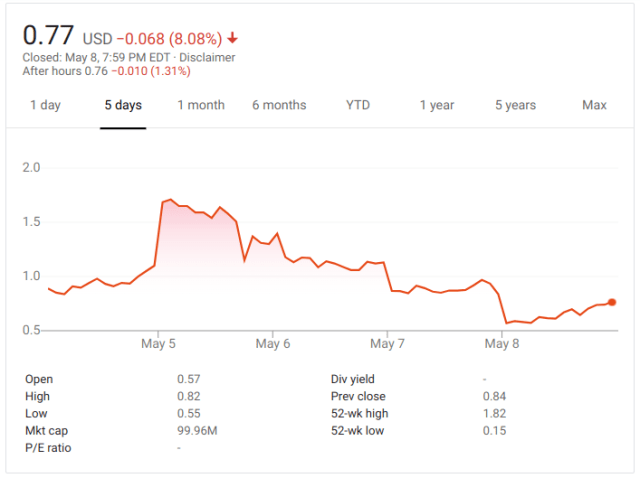
When bad news hits, I prefer to wait a day before writing about it, unless telling the story is therapeutic. A company I’m invested in was hit by ripples from coronavirus. It wasn’t because an employee was infected. It was because quarantines in China closed factories, which killed supply lines, which severed supply chains. Just as MicroVision was expected to announce a major product that would make them profitable, their hopes were punctured by something out of their control. The stock was down over 50% after hours. The reason I’m writing this now, however, is because some people are physically shaking from the news. I’m not hurt as hard, but I’ve been there and know that words delayed can arrive too late. Hence, I write.

Pandemics sound academic. They rarely happen, thanks to the efforts of the medical profession. The health care system may have flaws, but that seems to be more on the accounting and insurance side. Emergency responders respond well. They and others keep contagious infections contained. There’s an atmosphere of constant vigilance because they know that if something significant happens, it isn’t going to wait for hearings and meetings. That’s why coronavirus is a threat; it isn’t that it is deadlier than usual, it is because it seems to be highly contagious, spreads rapidly, and yes, is more than deadly enough. Hence, China’s quarantines and factory closures. (Personal Pandemic Prep)

My original MVIS shares are twenty years old. If they were human they could vote, serve, and be told it was time to move out and get a job. MicroVision has worked on a technology that has the ability to revolutionize display technologies. Shine light on an oscillating mirror, and either display or capture an image. Build it onto a chip and use micro-electronics for the lights, and a projector shrinks to nearly the size of the camera in your phone, and sensors can fit into almost any electronic device. So what? Imagine how much of a shift it was to get rid of the cathode ray tubes that powered televisions and early computers. They were big, fragile, somewhat radioactive, and wasted a lot of energy. Think back as screens got thinner, flatter, and sturdier to the point that they can survive pockets and purses (mostly). They aren’t radioactive, but they use rare materials from exploited regions, and quickly become hazardous waste. MicroVision’s displays have no radioactive tube, no glass, no screen, and use incredibly little power. It is easy to imagine why investors could be so eager to buy into a small, inexpensive company that could radically reform the technical world.

Screenshot 2019-02-25 at 13.58.38

But, it never seemed to happen. Skip the ‘seemed’. It didn’t happen.

At this point it is easy to dive into a critique of two decades of management. While none of the CEOs succeeded (and today’s news kicked out the most recent one and introduced a new one), they were all well-paid. Millions of dollars went to managers who never produced a profit despite incredible technology and potential. I might delve into that managerial review another day.

Today I want to reach out to investors who welcome innovation and potential to slide from the label of investor to speculator. Big risks and big rewards are the reality, but it is too easy to think big risks equal big rewards. There are no guarantees. When the risks lead to rewards, it can be marvelous. Hey, that’s one of the reasons I retired at 38. (See my book: Dream. Invest. Live.)Dream Invest Live cover When the risks lead to – well – nothing, it can be traumatic. That’s one of the reasons I became un-retired. (Not the only one, but that story is leading to the sequel. A bit much to go into right now, but read about My Triple Whammy for those details.)

I remember shaking. Dendreon (DNDN) finally succeeded, technically. They developed a real cancer vaccine, FDA-approved and all of that. It was a monumental struggle, but the succeeded at saving lives where no other treatment did much more than mild improvements. That produced dancing, not shaking. One of the first quarters when we expected to hear about real-world successes and real-world profits, they announced they missed their revenue target. It wasn’t that they weren’t successful. It was that they weren’t successful enough quick enough. They made hundreds of millions of dollars, but the stock market didn’t care. Follow the DNDN tag on this blog that long story. Not only did the company fail, but lives that could’ve been saved have been lost. Tens of thousands, potentially. The shaking commenced.

When that stock sunk, I shook. I felt sorry for so many of my friends who also invested in it. I called a few to commiserate and console. As Spider Robinson observed; “Shared pain is lessened; shared joy, increased.” I also became aware of yet another aspect of our society where people in pain are likely to be reviled rather than comforted. Individual stockholders trying to do better than a mutual fund are treated as if they are privileged pariahs who don’t deserve sympathy. I’ve had people tell me they are glad to see it happen, even when the folks it happened to only had as much as their accuser. Turning that around is unrealistic, and is why I encourage people shaking with the shock of lost dreams and lost finances to reach out to each other. As contentious as online forums can be, they can also be a source of community in time of need.

One irony is that, for some of the companies I’ve invested in and watched crumple, their technologies and services can eventually succeed. Good ideas don’t die easily. The employees who developed them can move on and find fertile ground for them elsewhere. Intellectual properties, like patents, can continue. The benefits to the world may be delayed, at a cost, but new champions can carry them to their goal. Shareholders may not benefit directly, but after a company implodes it helps me to know that there may yet be indirect benefits.

As a society, we stumble. We’re terrible at getting something right the first time. We haven’t had one consistent plan since the days when the only plan was to survive another day. Yet, we continue to move. Whoever said it doesn’t matter, but; “There is chaos under heaven and the situation is excellent.” I’m having a hard time with ‘excellent’, but agree that this is the way we progress. Try. Try. Try.

The coronavirus may or may not be a pandemic. It is certainly disruptive and deadly enough. We can’t manage every risk, predict every scenario, control every situation; but we can help each other, recognize each other’s pain, and find a way to keep trying, trying.

Posted in Uncategorized | Tagged , , , , , , , , | 1 Comment

Personal Pandemic Prep

As some regular readers know, sometimes I plan a post, and sometimes an idea needs to be worked out by writing about it. (Note to writers, the planned posts don’t get more traffic than the extemporaneous ones. Overthinking happens.) Recently I heard a story on NPR about the people quarantined in their homes because of the coronavirus, which now has some other name. (For a brief amateur’s description, mine, of why some are worried, read Practice Pandemic which can lead to other sources.) Hearing the story about a person trapped in their house reminded me that the disaster you prepare for may never happen, but the preparations can be valuable, anyway.

The person NPR interviewed has been quarantined at home for over a month. The emotional progression went from worry with a bit of guilty pleasure at time off, to pragmatic concerns about supplies and how much longer they have to stay home. The atmosphere sounds more spooky than quiet patience.

The thing that made me think was how this is so unlike other disaster scenarios. In earthquakes and storms, after the event the survivors have to deal with outages of power, food, water, medicine, etc. Surviving the event leads to rebuilding a life. Emergency preparation kits concentrate on food, water, shelter, communications, and health. In this viral disaster, at the start almost everything is available, infrastructure isn’t damaged, few people have died, but the survivors don’t know if they will survive. Even if they do survive, how do they live while exercising a prisoner’s version of patience?

Power, electricity, and usually water are delivered via a network. There’s no need for people to contact people. Sewer or septic are hands-off (mostly). In a quarantine, food and medicine are the pragmatic supplies that may be difficult to deliver, and the lack of community and human contact can affect the mental health. At least some semblance of community exists with social media, but Liking someone’s post is not the same as a hug.

Hello, well-stocked pantry. Hello, home-grown veggies. Hello, chickens and eggs, as long as birds aren’t what is spreading the disease.

I like the idea from a recent library Emergency Preparedness presentation. The focus was on earthquakes because Whidbey Island has several fault lines under it, has more for neighbors, and has a celebrity fault that is the Cascadia Subduction Zone. (Minimalism Meets Emergency Preparedness)DSC_5840 The idea is simple. Buy canned goods by the case. Keep the case intact and handy. Watch the Use-by date. When there’s a good sale or when the Use-by date is close but not too close, donate the old case to a food bank, and replace it with another case. Of course, buy cans of something you’ll eat. Duh. Add that to pantry staples like rice, beans, and pasta. The diet may get dull, but that’s manageable. Stocking the pantry is also a good reason to keep a well-stocked bar and wine collection. During a quarantine there may not be much driving, so maybe there can be a bit more drinking.

For most people, one obvious downside (assuming they are one of the healthy ones) is a lack of income. The bills probably won’t stop coming. Rainy day funds exist for a reason. Folks with online jobs may not have a problem. Folks with portfolios that only have local stocks might have an issue. There’s even worries about the coronavirus’ impact on the international economy. Supply chains are looking risky for electronics. (MVIS, are you OK?) If delivery companies can operate, probably wearing impressive protective gear, then people working from home may have the least disruption – as long as they aren’t distracted by having all the kids at home, in the house, all the time.

Weird as it may be, writers may finally finish their books. If artists have enough supplies, there might be a reason to have a post-quarantine studio tour. Houses may finally get cleaned, painted, and lots of little chores finally completed.

A rule of thumb is that no plan survives past its first step. The corollary is that having no plan can be the worst plan of all. Minimalists, frugal folk, and pragmatists may be best prepared even without trying. But maybe in a case like this it can be a good idea to not be too minimal because the pantry may have too little, too frugal because paying for shipping may be safest, and concentrating on pragmatism too much can amplify anxieties for too long.

Preparing for something like a quarantine, a pandemic, is a weird mix of worry and protection; while also being forced to be patient, do less, and take care of yourself – and your self. Still shaking my head at this weird world we are in. Despite so much to think about, one thing I can do is spend a bit more time and money in the bulk food section of the grocery store. And maybe stock up on some alcohol, for medicinal purposes. (Really, because several stiff drinks may be necessary to cope with such uncertainty.)

Posted in Uncategorized | Tagged , , , | Leave a comment